How a battery retrofit works
How does a battery retrofit work in Scotland?
Quick answer: The battery retrofit process has five stages: compatibility check (under 2 minutes online), no-obligation survey at your home, DNO paperwork (G98 or G99), installation by an MCS-certified partner (1-2 days), and aftercare with warranty documentation. We handle all DNO paperwork and connect you with the installer partner.
Key facts
- Five stages: compatibility check, survey, DNO paperwork, install, aftercare
- Compatibility check takes under two minutes online
- G99 approval typically takes 4 to 8 weeks
- Install takes 1 to 2 days on site through MCS-certified partners
- DNO paperwork handled for you (SP Energy Networks or SSEN)
- Finance: Interest-free credit up to £30,000, subject to status
Last updated: 28 October 2026
From your first enquiry to a commissioned battery system, the process has five clear stages. We assess compatibility, arrange a no-obligation survey, handle DNO paperwork, connect you with an installer partner, and provide aftercare support. Most installs take one to two days on site.
Step 1 — Compatibility check
Start with the compatibility checker. It takes under two minutes and asks about your inverter type, system age, panel count and location. You get an instant assessment telling you which retrofit path applies — AC-coupled, hybrid inverter swap, or straight add-on.
Step 2 — no-obligation survey
If your system is compatible, we arrange a no-obligation survey at your home. The surveyor confirms your wiring, inverter model, available space for the battery, and whether G98 or G99 applies based on your DNO area. You get an exact price — no estimate ranges.

Step 3 — DNO paperwork
Batteries over 3.68kW require G99 prior approval from your DNO. SP Energy Networks covers central and southern Scotland; SSEN covers the north, Highlands and Islands. G99 approval typically takes 4 to 8 weeks. Smaller systems use G98 notification within 28 days of install. We handle all of this paperwork for you.
Step 4 — Installation
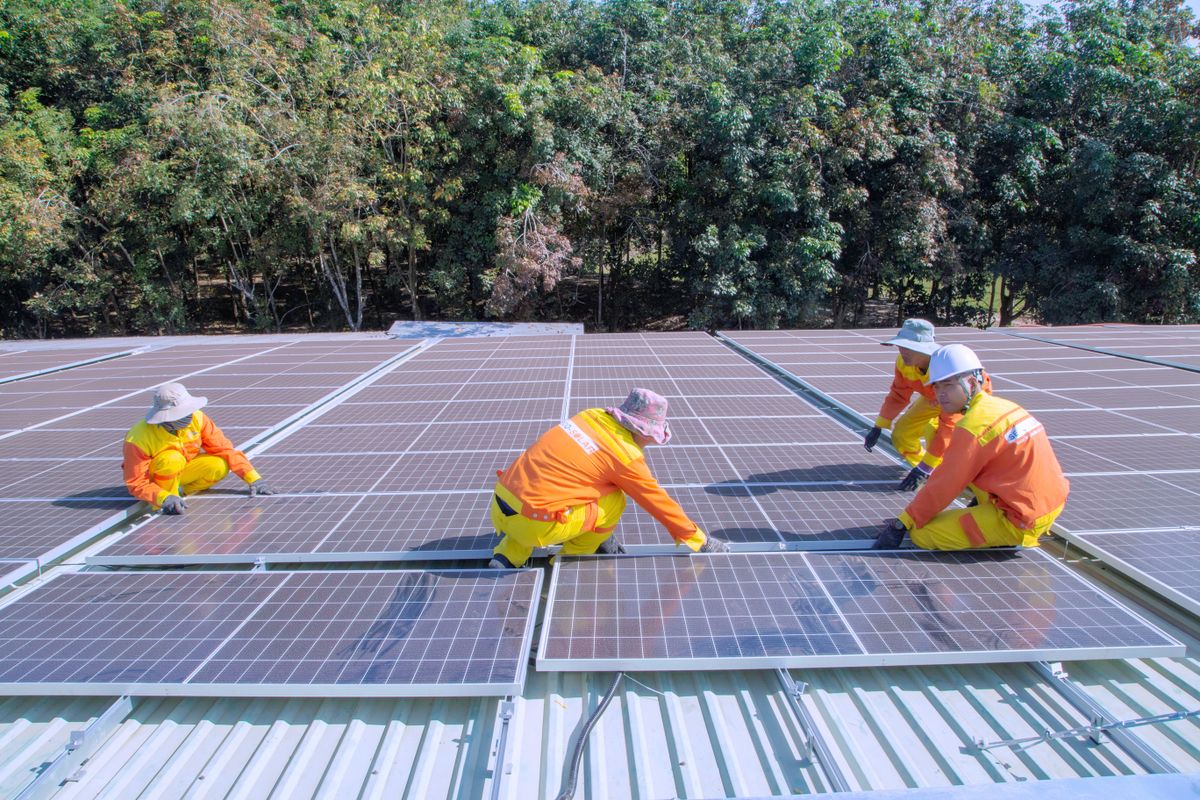
The installer partner carries out the battery retrofit. AC-coupled installs typically take one day because the existing solar system is not disturbed. Hybrid inverter swaps may take two days because the old inverter needs decommissioning and the new one needs commissioning. We install through MCS-certified partners.
Step 5 — Aftercare
After commissioning, you receive manufacturer warranty documentation (typically 10 years for Tesla Powerwall 3, Duracell Dura5 and Pylontech US5000) and a workmanship guarantee from the installer partner. Insurance-backed guarantee protection is also available. If anything goes wrong, we help you raise it directly with the installer.
Scottish housing and your installation
Where you live in Scotland affects the installation process. Tenement flats in Glasgow and Edinburgh may require co-owner consent under the tenement title deeds before work begins, particularly if the battery is sited in a communal area or the wiring passes through shared close space. Detached and semi-detached homes in the Central Belt typically have loft or garage space that simplifies the install. Granite-built properties in Aberdeen can make cable routing more involved, but often have generous loft spaces that work well for battery siting. Rural properties in the Highlands and Islands may face longer lead times for survey visits and parts delivery. We discuss these factors with you during the survey stage so there are no surprises on installation day.
What to expect on installation day
On the day of installation, the installer partner arrives with the battery, any necessary inverter, and mounting equipment. For an AC-coupled retrofit, the work is typically completed in one day with minimal disruption to your electricity supply. A hybrid inverter swap takes longer — usually two days — because the old inverter must be decommissioned, the new one wired in, and the system recommissioned. The installer will need access to your consumer unit, the proposed battery location, and your existing solar inverter. Power may need to be isolated for part of the day. Once the installation is complete, the installer commissions the system, walks you through the monitoring app, and provides your warranty documentation before leaving.
Frequently asked questions
How long does the full battery retrofit process take?
From enquiry to commissioning, the process typically takes 4 to 10 weeks. The compatibility check is instant, the survey is arranged within days, and DNO G99 approval takes 4 to 8 weeks. The installation itself takes one to two days on site.
Do I need to be home for the survey?
Yes, the surveyor needs access to your consumer unit, existing solar inverter, and the proposed battery location. The survey takes about an hour and is no-obligation — you get an exact price afterwards.
Who handles the DNO paperwork?
We handle all DNO paperwork as part of the process. Whether you need G98 notification or G99 prior approval, we prepare and submit the forms to SP Energy Networks or SSEN on your behalf. You do not need to contact your DNO yourself.
Is finance available for battery storage?
Interest-free credit up to £30,000, subject to status.
How do I get a quote?
Call us on 0141 230 0198 or complete the quote form on our Get a Quote page. We assess your existing solar system, arrange a no-obligation survey if compatible, and provide a written quote with an exact price.
Related guides
Last updated: 28 October 2026
Reviewed by the Scottish Energy Efficiency team.
Get a quote or call 0141 230 0198
Interest-free credit available, subject to status.